

The upcoming 2027 MLB lockout isn’t just a labor dispute — it’s a turning point in baseball ownership. Kyle Tucker’s historic contract with the Los Angeles Dodgers has exposed how modern investment-driven teams exploit luxury tax loopholes, deferrals, and opt-outs to maximize financial flexibility. While the deal itself is legal, it signals a deeper trend: baseball is increasingly a financial instrument rather than a purely competitive sport. Guggenheim Baseball Management treats the Dodgers like an investment portfolio, prioritizing valuation growth over the health of the game. This accelerationist approach — pushing the system to its limits — may encourage other consortiums, investment firms, and deep-pocketed capital groups to enter MLB ownership. Fans, players, and smaller-market teams now face the consequences of a sport where financial logic can override tradition. Kyle Tucker’s contract isn’t just a blockbuster signing; it’s the canary in the coal mine for the future of Major League Baseball.
MLB
The Aaron Judge Home Run Conundrum: What Does it Mean to Exist
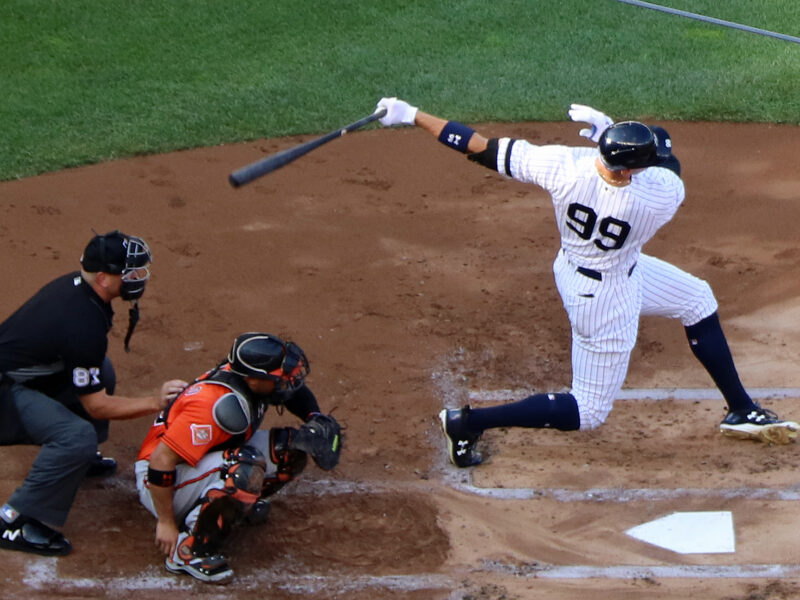
Just a quick heads up before you begin reading this – this blog will be a bit of an oddball. It’s been about two weeks Continue Reading
The New Age Pitcher Pulling Has to End

I’m going to start this blog by bringing in my thoughts on modern soccer. I promise this is going somewhere; there is a pretty strong Continue Reading